Writing Workshop
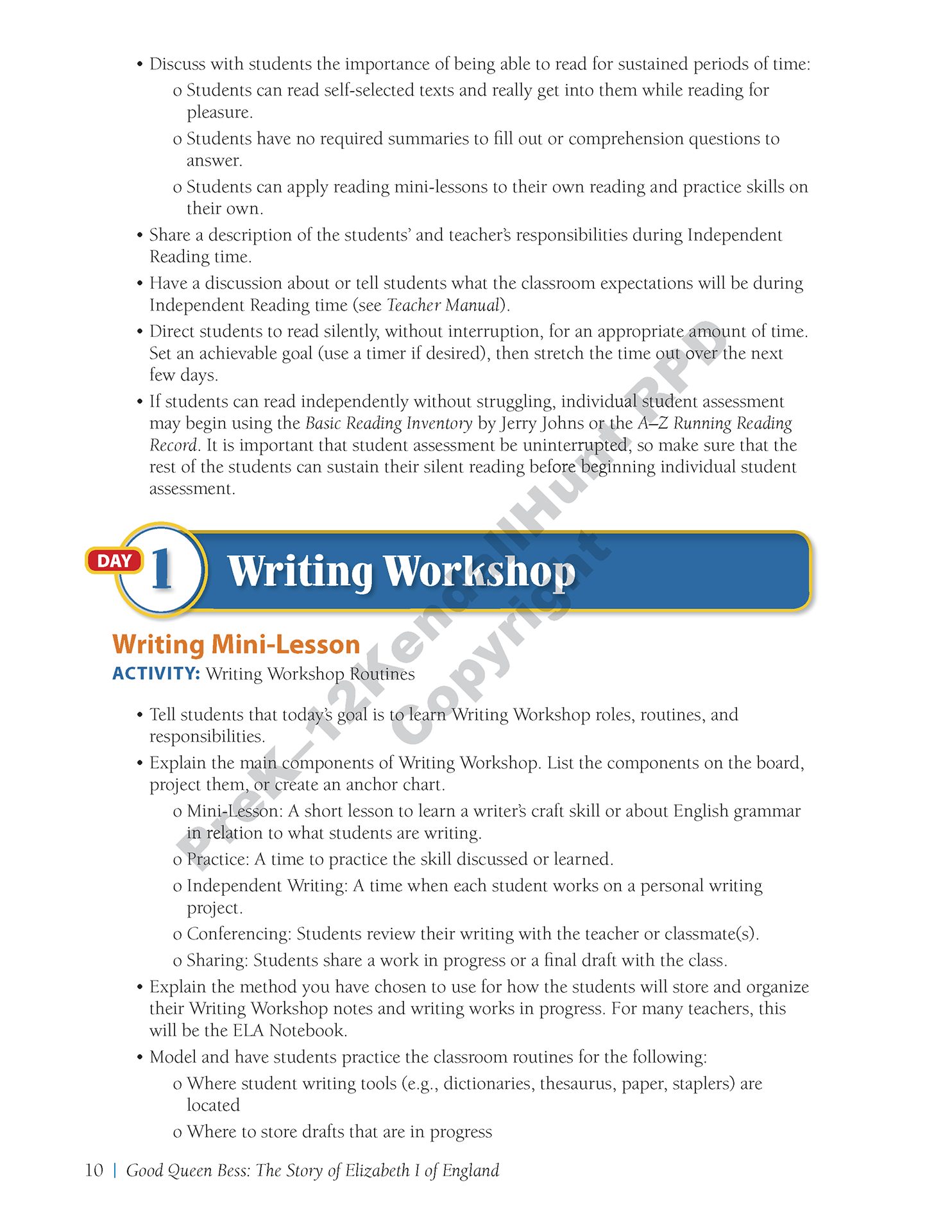
Writing Workshop is an essential component of Pathways 2.0, providing instruction and time for learners to write in meaningful ways. The block of time for Writing Workshop consists of whole-group instruction, small-group instruction and independent writing. Because of this gradual release of responsibility, learners become proficient at writing and are able to transfer skills to other disciplines.
The Writing Workshop block is designed to provide learners with opportunity to write daily for extended periods of time, to become a community of writers who give and receive feedback, and to assume ownership of writing.
Small Group Instruction
Small Guided Writing groups are formed based on teacher analysis of assessments. These are small group of learners needing additional scaffolding in writing craft or conventions. In these temporary groups, explicit instruction is provided through modeling, demonstration, or practice.
Whole Group Instruction
Writing or Grammar Mini-lessons are short, focused lessons on a single topic. Topics may include conventions, grammar skills, writing strategies, and writer’s craft. The structure for the mini-lesson is teach/model and guided practice, followed by independent practice. There are two writing and two grammar mini-lessons each week.
Writing Process
Typically, the writing process is followed when writing for extended time frames. The writing process includes prewriting, drafting, revising, editing, and publishing. Though the stages of the process appear to be linear, each writer moves through the process differently. For this reason, learners may be working at different stages of the writing process.
Handwriting
Direct, explicit handwriting instruction is a part of Pathways 2.0 for grades 1-6. Current research indicates that handwriting practice helps to develop reading circuitry in learners’ brains, makes better writers and spellers, as well as predicting reading and academic success (Gentry, 2016). Each school is encouraged to select a handwriting program that is used school-wide to promote consistency in instruction.
Independent Writing
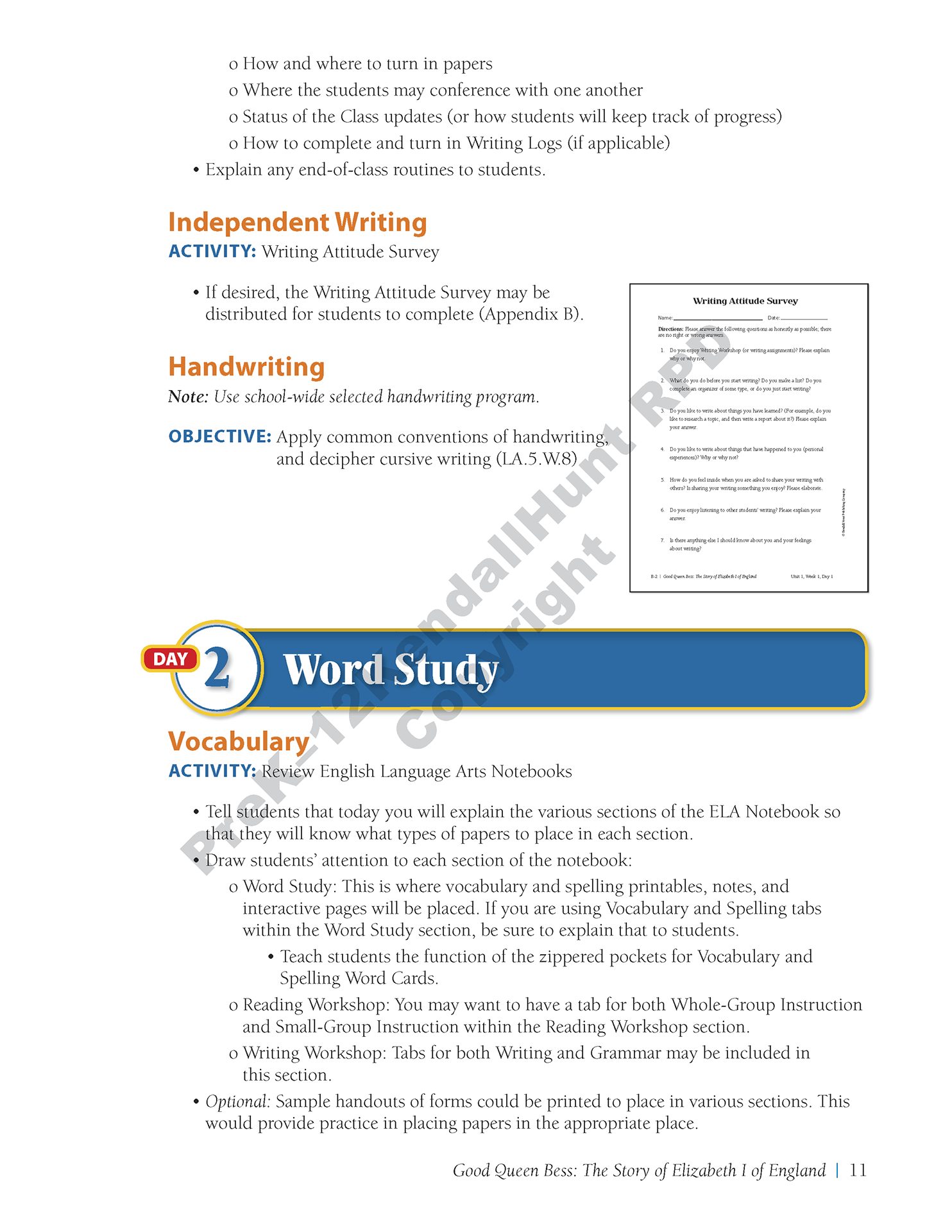
Provides learners with opportunities to write over extended time frames or shorter time frames for a range of specific tasks, purposes, and audiences. Independent writing may or may not connect to strategies learned during the writing mini-lesson.
Learners have opportunity at the end of independent writing to share insights related to the work done as writers. Typically, the share begins with a teacher prompt.
Writer’s Handbook:
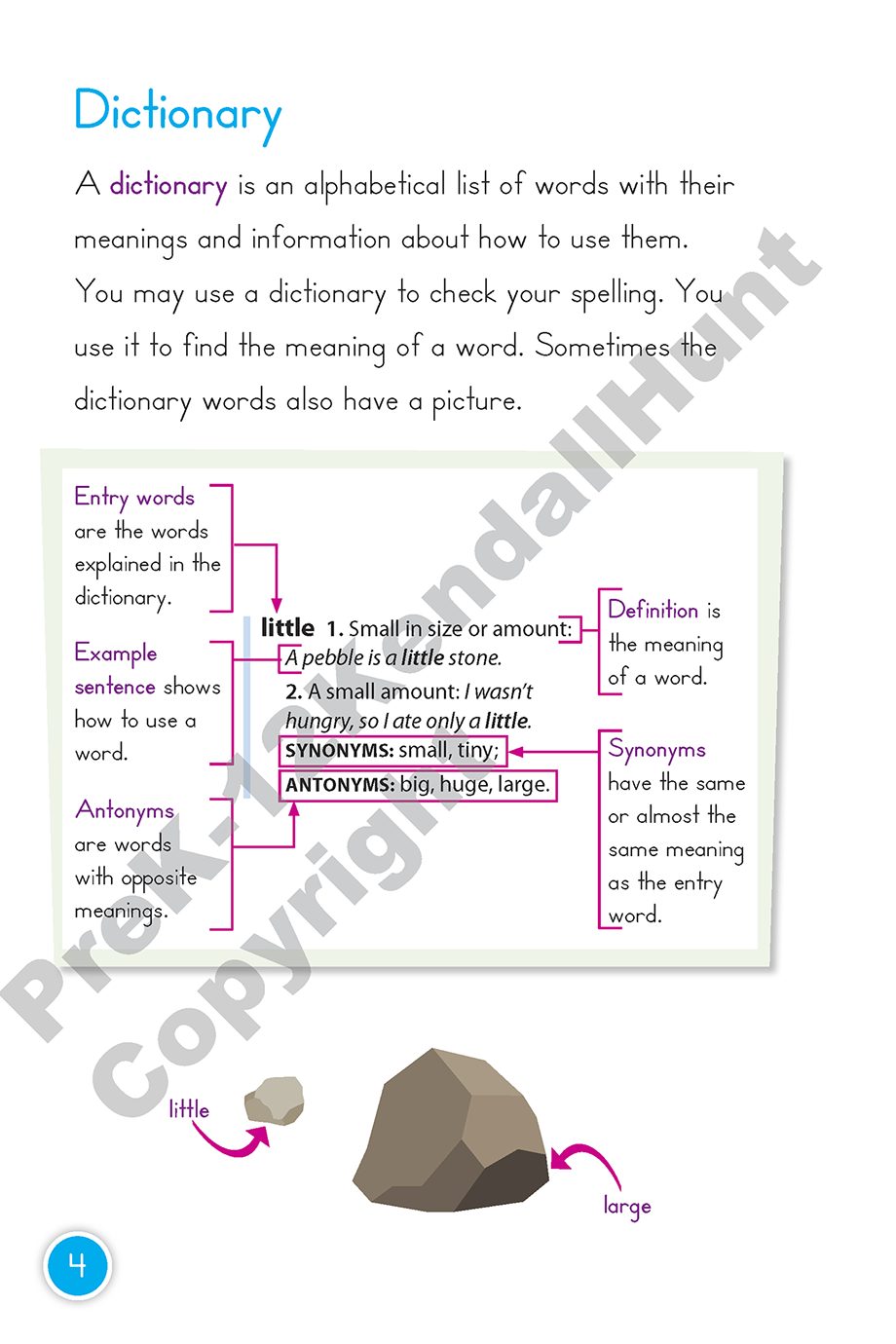
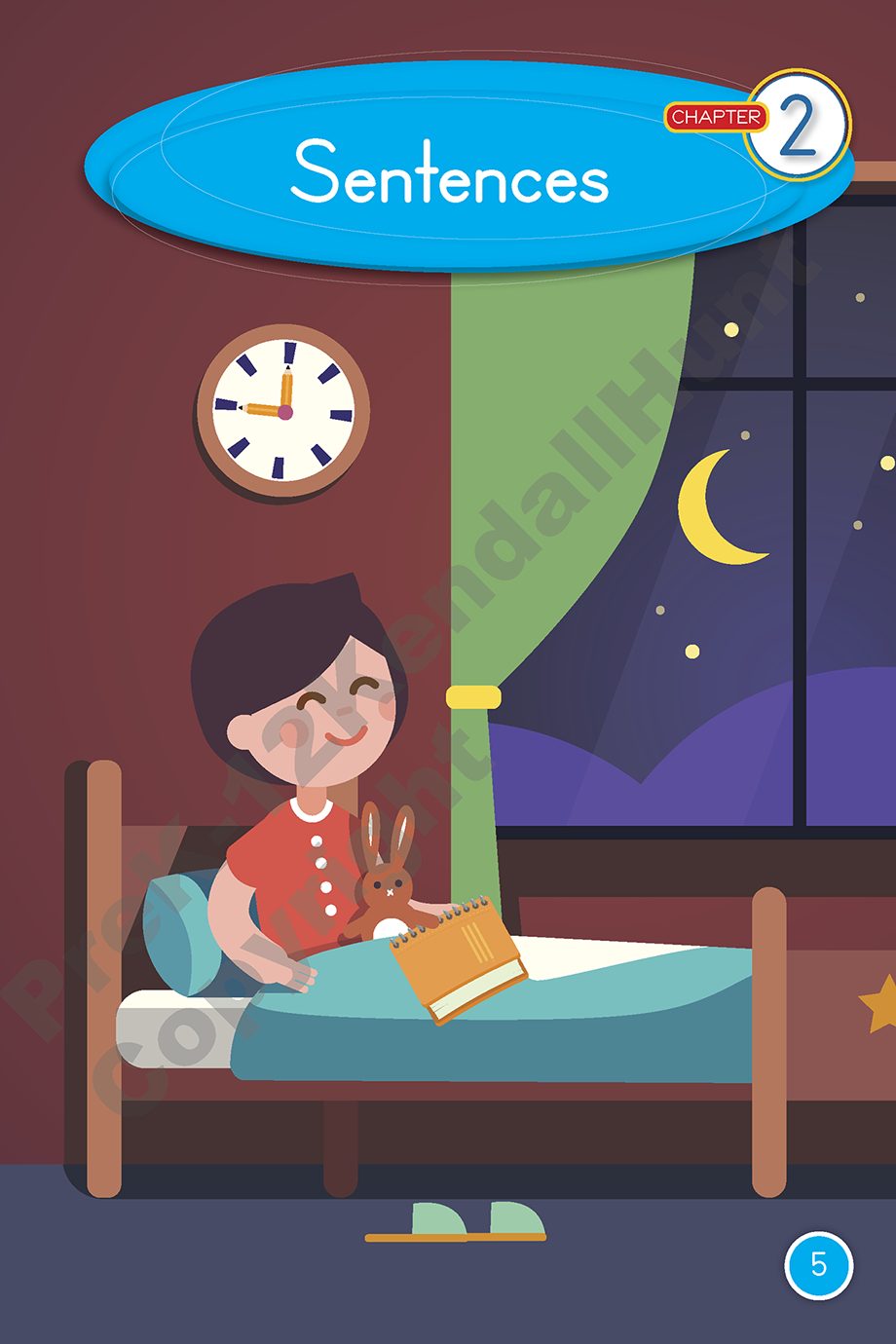
Both teachers and students will use the Writer’s Handbook for mini-lessons and as a reference for language, writing, conventions, and other skills.
Cover
Copyright page
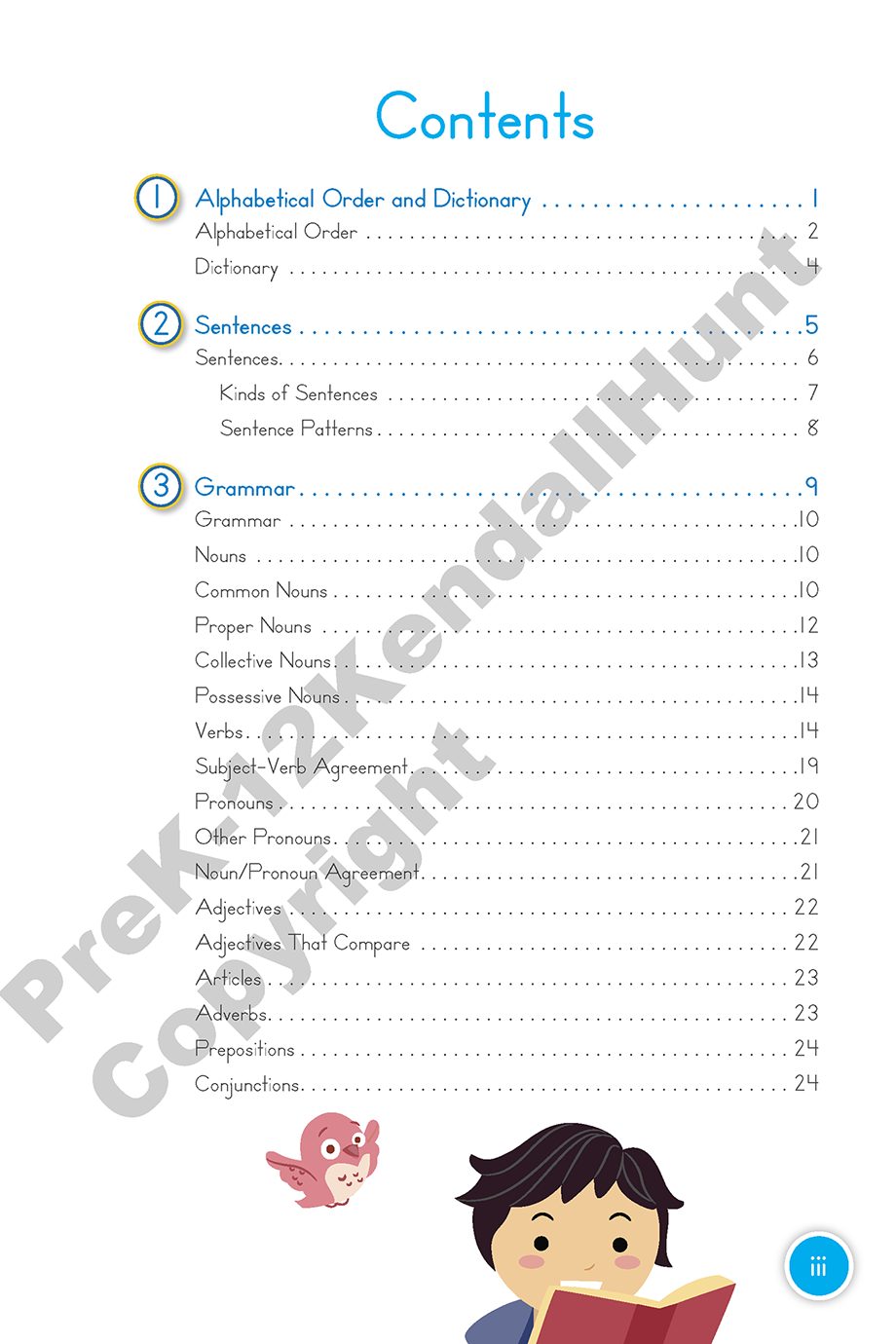
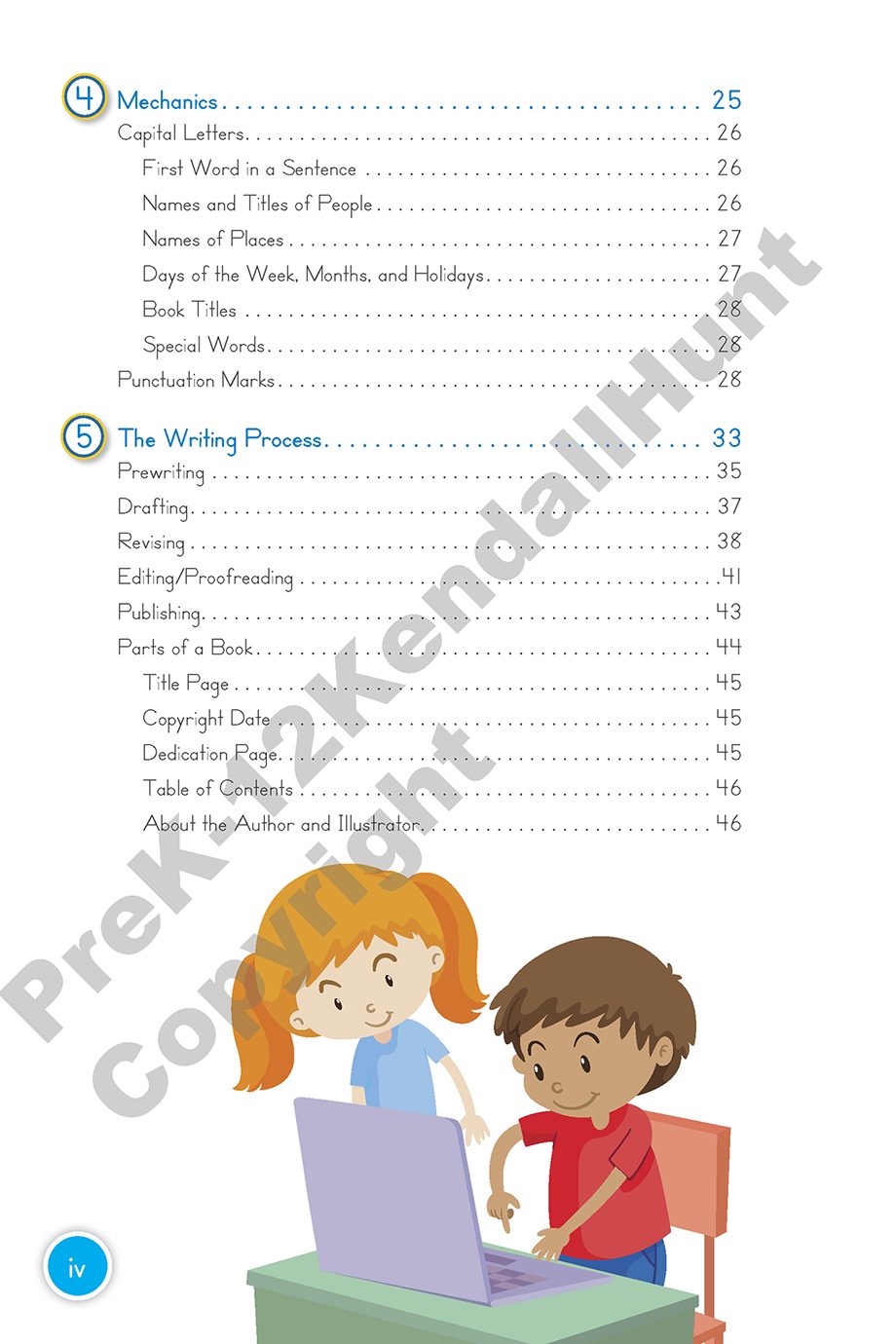
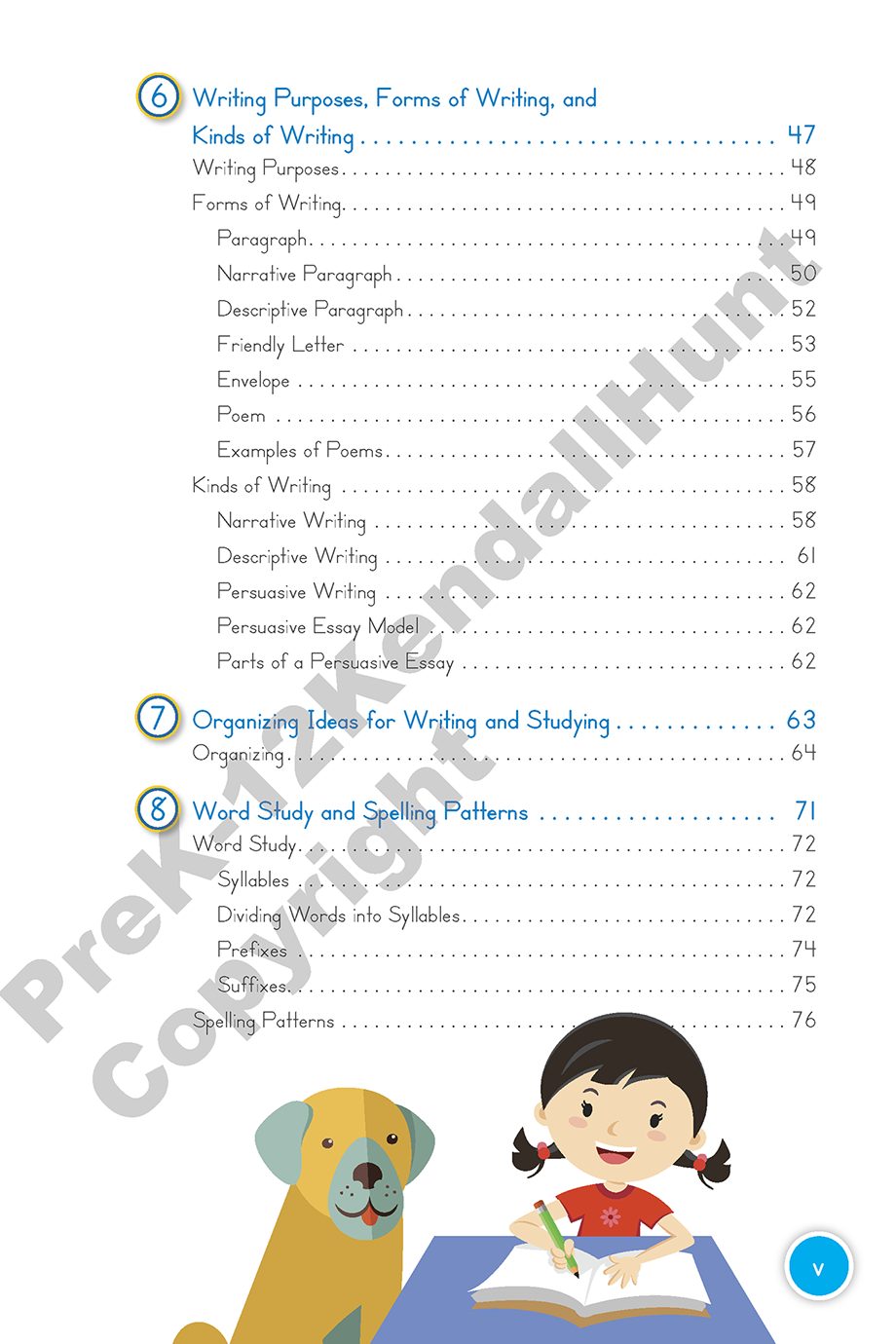
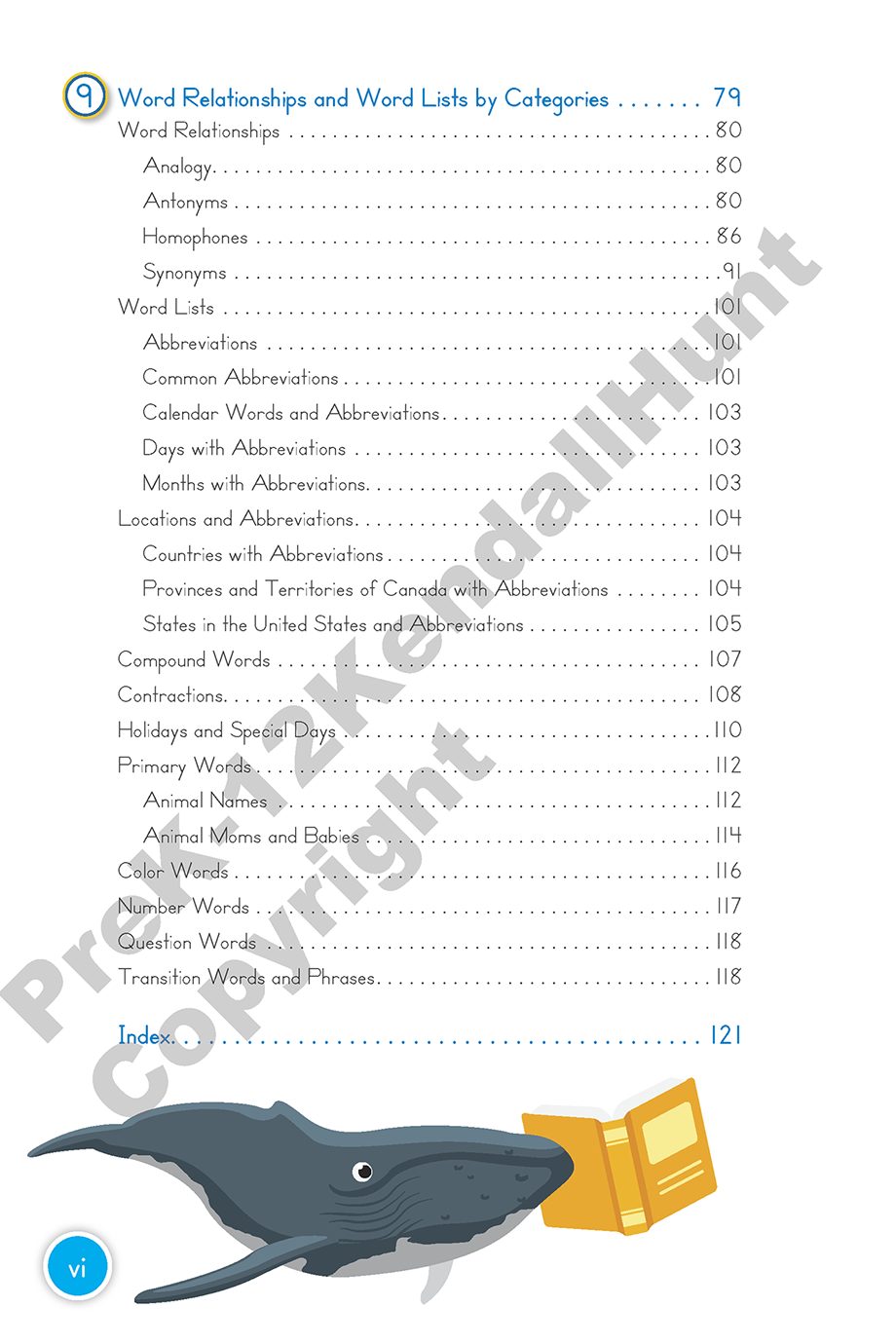
Contents
Contents
Contents
Contents
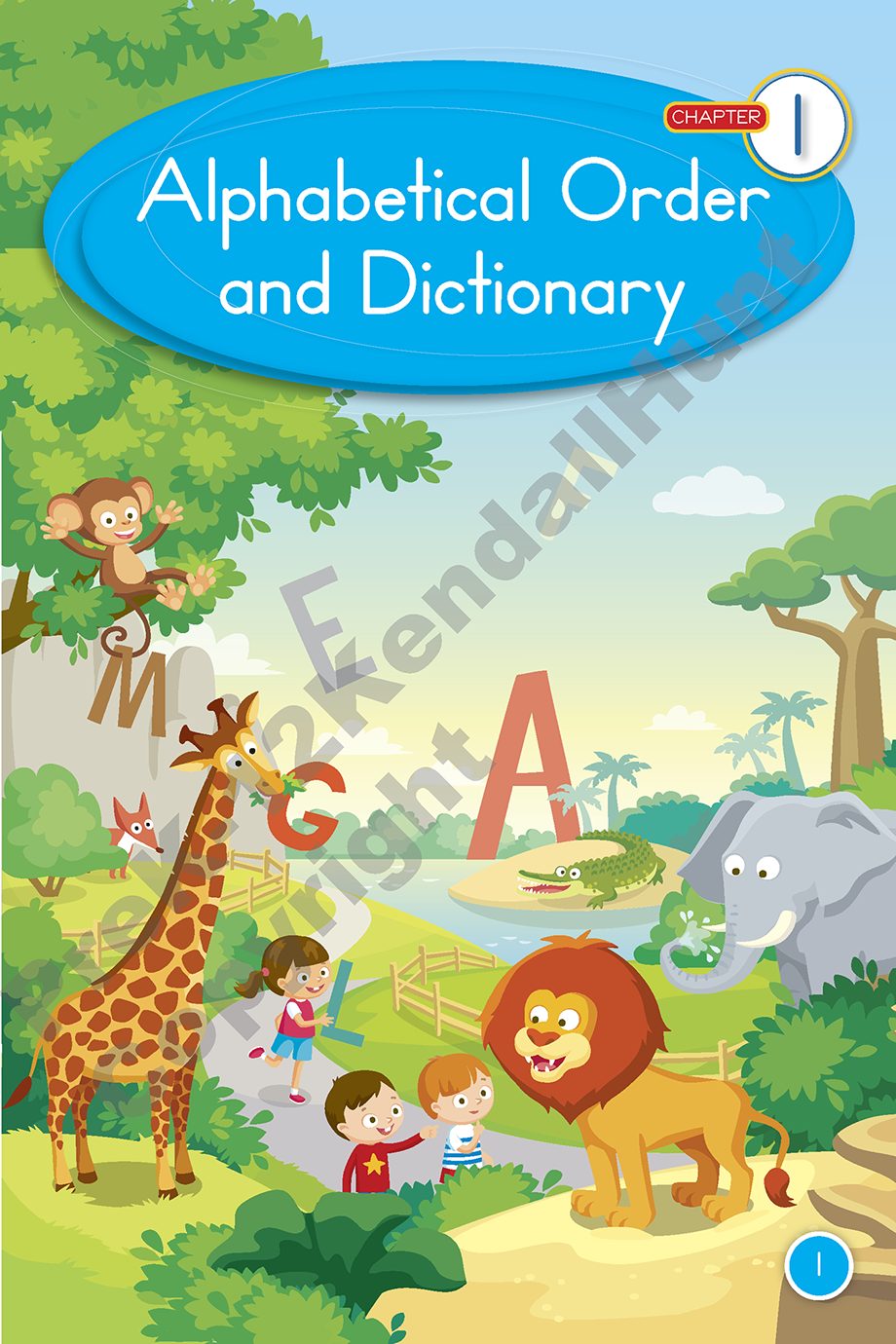
Chapter 1: Alphabetical Order and Dictionary
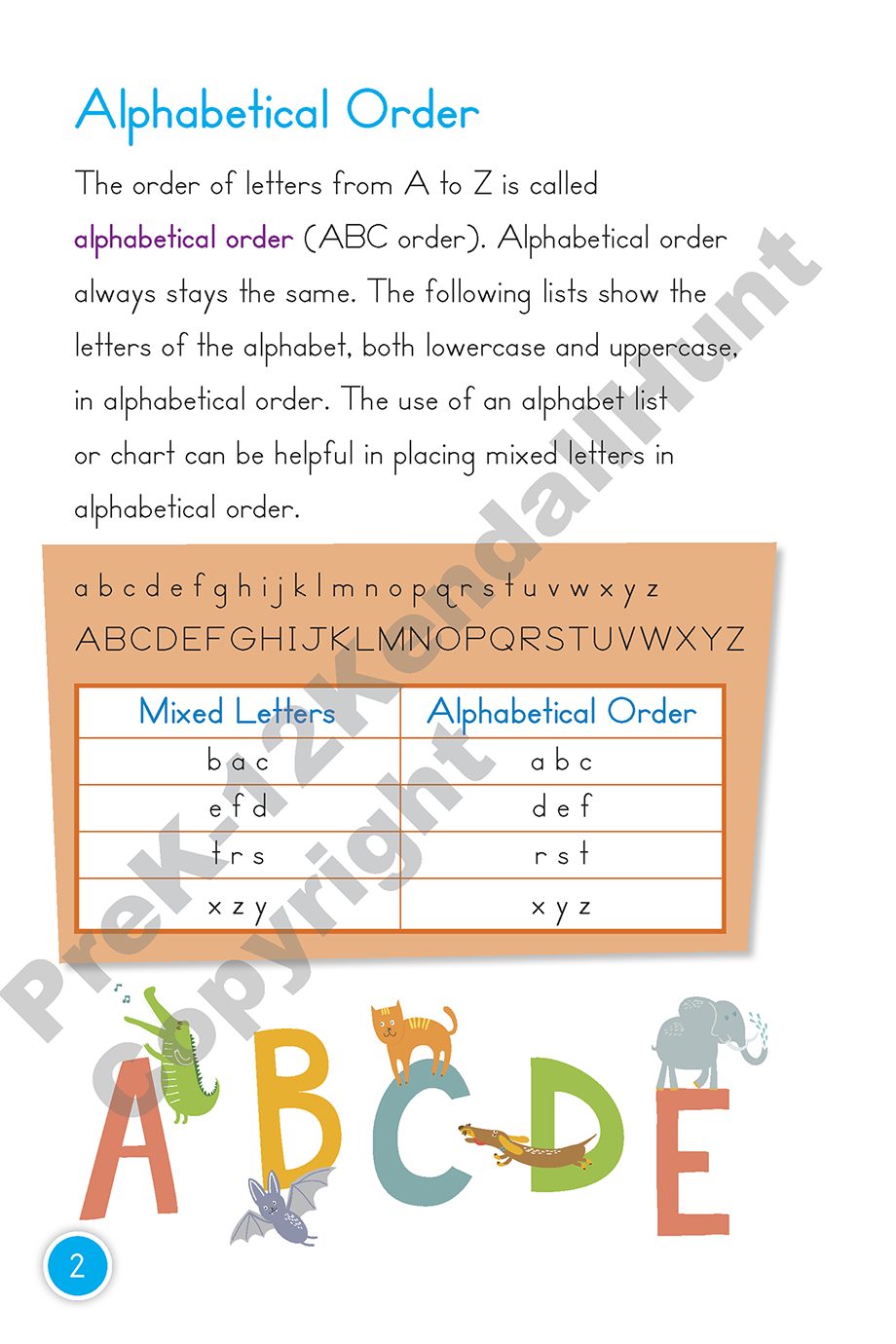
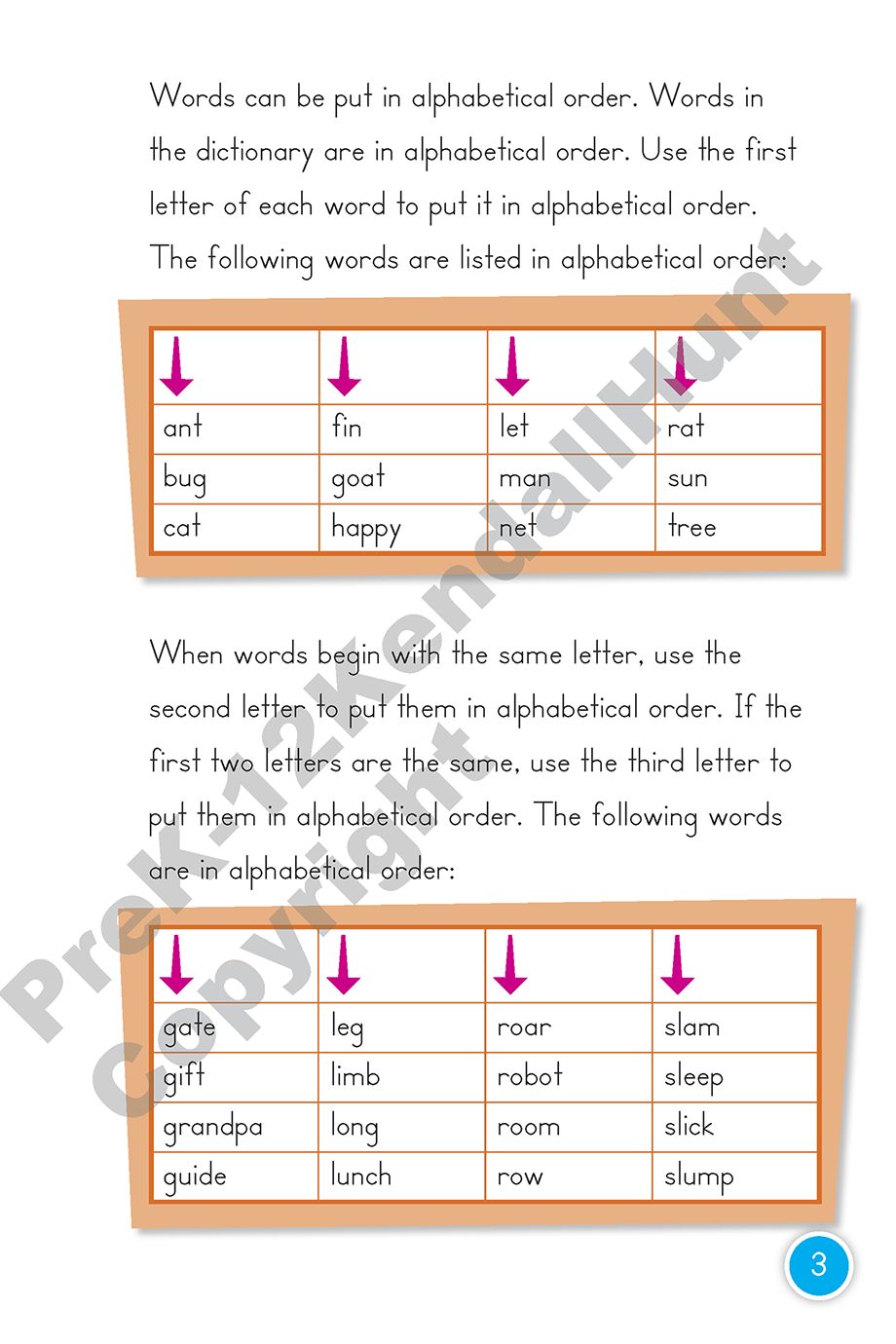
Alphabetical Order
Alphabetical Order
Dictionary
Chapter 2: Sentences
Select a page above or